


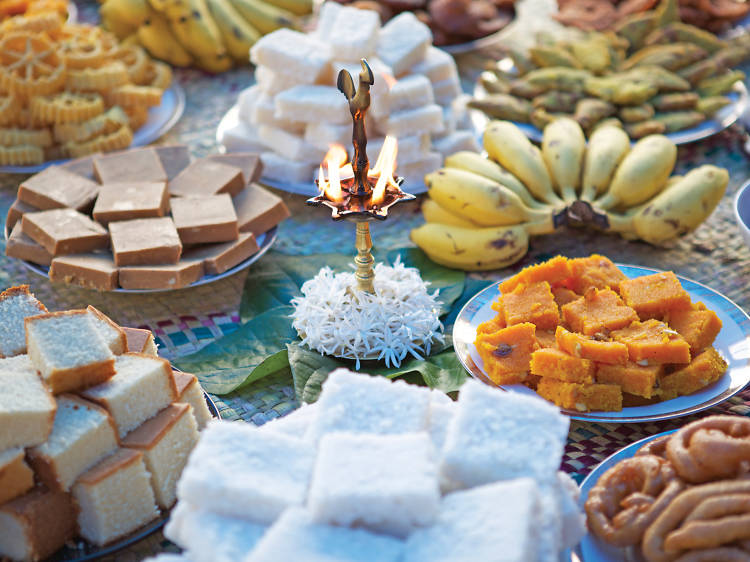


The Sinhala and Tamil New Year, known as "Aluth Avurudu" in Sinhala and "Puthandu" in Tamil, is a significant cultural festival celebrated primarily in Sri Lanka by the Sinhalese and Tamil communities. This festival marks the start of the solar calendar year and usually falls on the 13th or 14th of April.
Agricultural Roots: The New Year is rooted in agricultural practices, symbolizing the end of the harvest season and the beginning of a new one. It is a time for farmers to express gratitude for the past year's harvest while welcoming new beginnings.
Astronomical Transition: The festival is closely linked to the astrological calendar. It coincides with the sun's transition from the Pisces constellation to Aries, which is believed to signify new beginnings and prosperity.
Preparations: Before the New Year, families clean their homes, decorate with traditional motifs, and prepare special foods, including sweets like "kavum" (oil cakes) and "kokis" (crispy snacks).
Rituals: The celebrations begin with various rituals. Sinhalese families often prepare a ceremonial "Avurudu Table," laden with traditional foods, fruits, and a clay pot symbolizing prosperity. Tamils usually prepare a "Puthandu" feast.
Pongal and Fire Rituals: Tamils celebrate with "Pongal," a dish made from newly harvested rice. They perform rituals to honor the sun god, followed by family gatherings.
Games and Activities: Traditional games and competitions are a highlight of the festivities. Events like tug-of-war, sack races, and blindfolded activities foster community spirit and joy.
New Clothes and Visits: Wearing new clothes is a common practice, symbolizing renewal. Families visit each other's homes, exchange gifts, and share meals, emphasizing unity and harmony.
The Sinhala and Tamil New Year is not just a celebration of the new year but also a time for reflection, gratitude, and community bonding. It embodies the rich cultural heritage of Sri Lanka, blending rituals, family values, and a deep connection to nature. As both communities come together to celebrate, it highlights the importance of cultural diversity and shared traditions in the island nation.